en.dfx.co.id – Securing digital transactions has never been more critical, and knowing how to get a virtual card instantly provides an immediate layer of financial protection.
Instead of waiting days for a physical piece of plastic to arrive in the mail, consumers can generate digital payment numbers on demand.
These temporary or dedicated digital strings mask actual bank details, ensuring unauthorized parties cannot access primary funding accounts during data breaches. Whether the goal is managing complex subscriptions.
Making a one-off purchase on an unfamiliar website, or simply keeping personal spending organized, instant virtual payment methods deliver immediate utility, speed, and peace of mind.
“Disclaimer: The information provided is for general informational purposes only and should not be considered professional advice. Further verification or consultation with a qualified expert is recommended before making decisions.”
Understanding Virtual Cards and Immediate Issuance
A virtual credit card (VCC) or virtual debit card functions exactly like a standard payment card, complete with a 16-digit number, expiration date, and CVV security code. The primary difference lies entirely in its digital nature.
When searching for how to get a virtual card instantly, consumers are typically looking for services that bypass the traditional physical mailing process.
Upon approval or account creation, the digital details become immediately accessible via a secure mobile application or web browser.
At a technical level, this process heavily relies on tokenization. Rather than transmitting actual bank routing and account numbers across the internet, the system generates a surrogate value—a token—that represents the buyer’s account.
This tokenization ensures that the raw financial data never rests on a merchant’s server, drastically reducing the attack surface for potential cyber threats.
By standing between a retailer and the actual bank account, these digital shields prevent sensitive data from being exposed online. If a merchant’s database is compromised.
The exposed digital number can simply be deleted or paused by the cardholder, rendering the stolen data useless to cybercriminals while keeping the primary account entirely safe.
Leading Providers for Instant Virtual Cards in the USA (2026)
Navigating the financial landscape requires choosing the right platform. Several distinct categories of financial institutions and technology companies currently dominate the American market for instant digital issuance.
Standalone Virtual Card Services
Dedicated platforms focus entirely on generating temporary or merchant-locked card numbers. Privacy is a prominent example in the USA. Users link an existing checking account or debit card to the platform’s infrastructure.
Once connected, generating a new number takes only seconds. This platform is highly regarded for its ability to generate both single-use numbers and merchant-locked cards.
A merchant-locked card binds itself to the very first store it is used at; even if a malicious actor steals the number, any attempt to use it at a different retailer will be automatically declined.
Traditional Major Banks
Several traditional financial institutions have integrated instant digital issuance into their standard consumer offerings, bringing modern convenience to legacy banking.
- Capital One (Eno): Capital One offers a sophisticated browser extension and mobile feature called Eno. For existing credit cardholders, Eno generates merchant-specific virtual numbers instantly at the online checkout screen. This means a unique string of numbers is created for every online store visited, effectively neutralizing cross-site tracking.
- Citi: Citibank provides a robust virtual account number feature for its credit card customers. Cardholders can generate a temporary sequence through the Citi online banking portal, setting custom spending limits and strict expiration dates for each generated sequence.
Fintech Platforms and Neobanks
Modern financial technology companies build their entire infrastructure around digital-first experiences, making immediate issuance a core feature rather than an afterthought.
- Revolut and Wise: Both platforms offer multi-currency accounts that include the ability to generate digital numbers immediately upon identity verification. They offer single-use disposable options that regenerate a new sequence automatically after each purchase, maximizing daily security.
- Chime and Ally Bank: For individuals seeking standard checking accounts, many modern digital banks immediately issue a virtual debit option inside their mobile app the exact moment an account is opened and funded. This allows for instant spending via digital wallets long before the physical plastic arrives in the mail.
The Step-by-Step Process for Instant Activation
While specific mobile interfaces vary by provider, the general workflow for obtaining a digital card number immediately follows a highly predictable and standardized path:
- Select a Provider: Choose between a dedicated service, a current bank, or a new fintech application based on specific financial needs (credit vs. debit, single-use vs. merchant-locked).
- Account Creation and Verification: For new services, basic regulatory identity verification (KYC) requires checking identity. This usually involves providing a legal name, address, Social Security Number, and sometimes a quick photo ID scan. In 2026, automated systems process these checks in a matter of minutes.
- Link a Funding Source: If using a third-party service, securely connect a primary checking account or debit card to fund the digital transactions.
- Generate the Card: Navigate to the “Cards” or “Virtual Numbers” section of the dashboard and select the prompt to create a new profile.
- Customize Settings: Assign a nickname to the profile (e.g., “Streaming Subscriptions”), set a monthly or all-time spending limit, and determine if the usage should be single-use or multi-use.
- Start Shopping: The 16-digit sequence, CVV, and expiration date appear immediately on the screen, ready to be copied and pasted into any online checkout form.
Strategic Advantages Beyond Speed
The immediate availability of a payment method is highly convenient, but the underlying advantages extend far deeper into personal finance management and daily cybersecurity.
Granular Subscription Management
Free trials that automatically convert to expensive annual subscriptions represent a significant source of financial frustration. By utilizing a digital profile with a strict spending limit or a predetermined expiration date.
Consumers guarantee that merchants cannot charge unauthorized renewal fees. If a subscription service attempts to pull funds exceeding the set limit, the transaction simply declines, protecting the core budget.
Advanced Fraud Prevention
Data breaches occur with alarming frequency across retail sectors. When a shopper uses a unique virtual number for every merchant, a breach at one specific retailer does not compromise the entirety of the individual’s finances.
The breached number remains isolated and is easily canceled without the massive hassle of updating payment information across dozens of other secure accounts.
Seamless Digital Wallet Integration
Learning how to get a virtual card instantly also opens the door to immediate in-person spending capabilities. Most modern digital sequences can be seamlessly pushed to Google Wallet, Apple Pay, or Samsung Pay.
This functionality allows an individual to open an account, generate a digital profile, add it to a smartphone, and purchase groceries at a local physical terminal within the span of fifteen minutes.
Potential Limitations to Consider
Despite the overwhelming benefits, digital-only payment methods carry specific constraints that require awareness.
Refunds can occasionally be complex if the profile used for the original purchase has been completely deleted or closed, though most major providers successfully route the funds back to the primary funding source automatically.
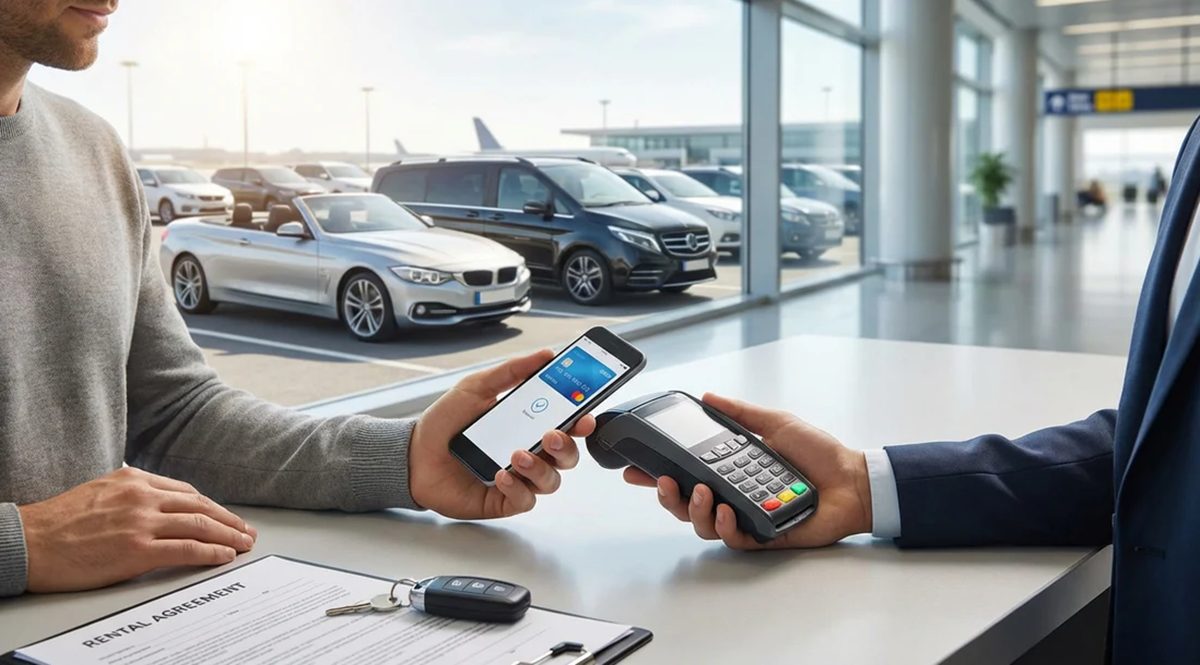
Furthermore, certain types of reservations—such as luxury hotel bookings or airport car rentals—often require presenting the physical plastic used for the booking upon arrival to verify identity.
Using a digital-only method for these specific transactions can lead to denied service at the reception desk.
Finally, setting up too many temporary numbers can lead to administrative clutter if not properly labeled and managed within the banking application.
Optimizing the Digital Payment Experience
Maximizing the utility of instant digital access requires a strategic, organized approach. Labeling every generated sequence meticulously prevents dashboard confusion.
Auditing active numbers monthly ensures no forgotten subscriptions continue to drain funds silently.
For those prioritizing absolute security, utilizing single-use disposable options for high-risk or unfamiliar online merchants provides the ultimate safeguard against modern digital fraud.
FAQ about How to Get a Virtual Card Instantly
Q: Can anyone get a virtual card instantly?
A: Yes, provided the applicant meets the age and identity verification requirements of the chosen financial institution. Most adults with a valid ID and a primary funding source can open an account and generate a digital number within minutes.
Q: Do virtual cards affect credit scores?
A: If the digital sequence is tied directly to an existing credit card account, the purchasing activity affects the credit score just like a physical card. However, digital debit cards linked to checking accounts or prepaid services do not impact credit scores at all.
Q: Are virtual cards free to generate?
A: The vast majority of banks and fintech providers offer digital generation at no additional cost as part of their standard account features.
However, some specialized platforms may charge a premium subscription fee for creating a high volume of new numbers per month.
Q: Can virtual cards be used for in-store purchases?
A: Yes. Most modern digital profiles can be added directly to mobile payment applications like Apple Pay, Google Wallet, or Samsung Pay, allowing for contactless tap-to-pay transactions at physical retail locations.
Q: What happens if a refund is sent to a deleted virtual card?
A: In most cases, the financial institution automatically routes the refunded amount back to the primary funding account connected to the profile, even if the specific digital sequence has already been deactivated or permanently deleted.
Conclusion
Mastering how to get a virtual card instantly empowers consumers with unparalleled control over their digital finances and personal data security. By leveraging standalone privacy platforms, innovative.
Fintech applications, or traditional banking portals, shoppers can secure their primary bank details, enforce strict budgeting limits, and effortlessly manage recurring monthly subscriptions.
As the financial ecosystem continues to rapidly evolve in 2026, adopting these digital-first payment methods remains a fundamental, highly effective practice for safeguarding personal data and optimizing the modern online shopping experience.