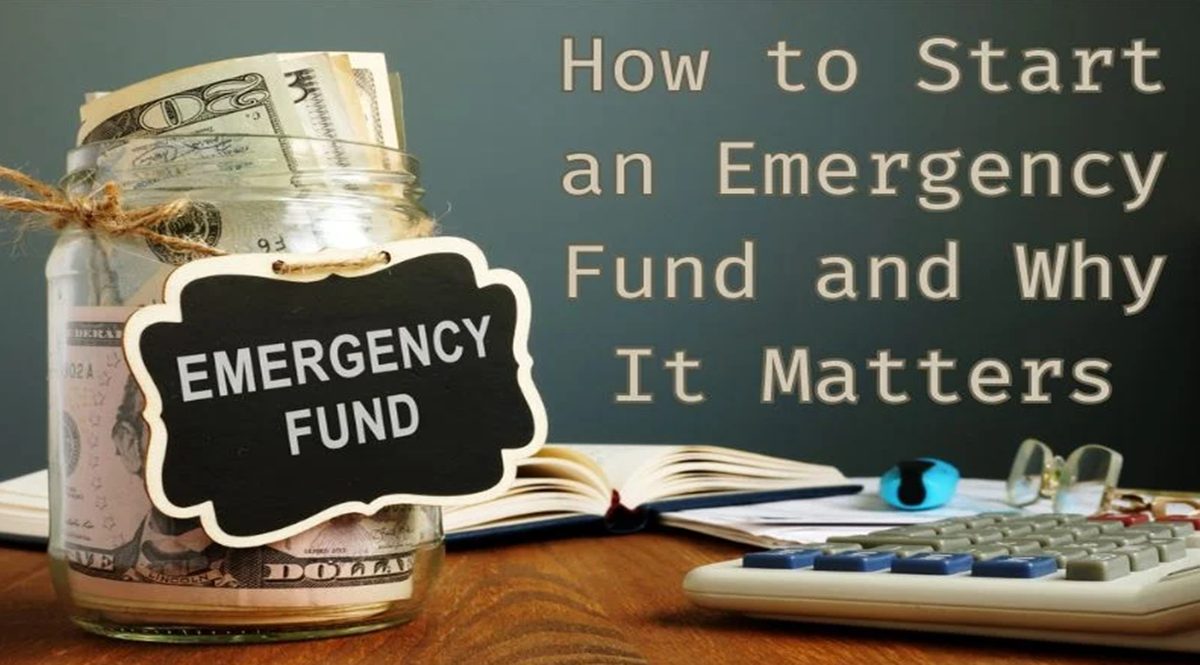
en.dfx.co.id – Financial security often hinges on the ability to weather unexpected expenses, from severe medical emergencies to sudden, prolonged job losses. For decades, traditional financial advice suggested saving three to six months of living expenses.
However, an optimal Emergency Fund for US households varies significantly based on income bracket, job stability, and localized cost of living. Determining the right cash reserve requires moving.
Beyond one-size-fits-all advice and calculating a personalized target that reflects modern economic realities, inflation, and household obligations. Establishing this safety net is arguably the most critical step in achieving long-term financial independence.
“Disclaimer: The information provided is for general informational purposes only and should not be considered professional advice. Further verification or consultation with a qualified expert is recommended before making decisions.”
Defining a True Financial Emergency
Before calculating target savings, individuals must clearly define what constitutes a valid reason to access these reserves. A robust financial safety net is not a vacation fund.
Nor is it a mechanism for purchasing a new vehicle when the old one is still functional. Tapping into these liquid assets should be strictly reserved for absolute necessities.
True emergencies typically fall into three distinct categories:
- Income Disruption: Sudden unemployment, furloughs, or a significant reduction in freelance or business revenue.
- Unavoidable Medical Expenses: Severe illnesses, accidents, or emergency surgeries that incur out-of-pocket costs not covered by health insurance.
- Critical Asset Repairs: Major home repairs (like a failed HVAC system in winter or a leaking roof) or essential car repairs required to maintain employment.
Understanding these parameters prevents the depletion of cash reserves on discretionary spending, ensuring the funds are available when a genuine crisis strikes.
Calculating the Ideal Emergency Fund for US Households Based on Income
Establishing an effective financial buffer requires categorizing households by income and assessing the specific vulnerabilities associated with each bracket. The optimal target shifts dynamically as earnings and obligations change.
Guidelines for Low-Income to Lower-Middle-Class Earners
For households earning below the median US income, saving a massive reserve equivalent to half a year of wages can feel insurmountable and discouraging. In these situations, the immediate focus should shift toward building a foundational, highly accessible buffer.
Financial experts often recommend aiming for an initial micro-fund of $1,000 to $2,000. This smaller reserve serves a highly specific purpose: preventing minor crises from triggering a cycle of high-interest credit card debt.
A blown tire or a moderate medical co-pay can be absorbed by this initial safety net without derailing a monthly budget.
Once that initial baseline is established, individuals can gradually work toward saving one to two months of essential living expenses, focusing strictly on housing, utilities, groceries, and essential transportation.
Strategies for Middle-Class Earners
Middle-class households, generally earning near or slightly above the national median, typically carry more fixed financial obligations. These often include home mortgages, auto loans, and childcare costs. For this demographic, the traditional rule of thumb remains highly relevant.
Aiming for three to six months of non-discretionary expenses provides a robust defense against job loss or a temporary medical leave. The exact target within that range depends on the household’s income structure.
A dual-income household where both partners work in stable, high-demand industries might safely lean toward the three-month mark, as the statistical likelihood of simultaneous, prolonged unemployment is relatively low.
Conversely, a single-income middle-class family should aggressively target the six-month threshold to mitigate the severe impact of a sole earner facing a sudden layoff.
Considerations for High-Income Earners
High-income households often possess more disposable income, but they also tend to experience “lifestyle creep”—a phenomenon where elevated earnings lead to significantly higher fixed monthly obligations.
While a lucrative salary provides a sense of security, replacing a specialized, executive-level, or niche position often takes significantly longer than finding an entry-level job. The hiring process for top-tier roles can stretch for months.
Therefore, high earners are frequently advised to hold six to nine months of baseline expenses in highly liquid assets. Furthermore, those operating in highly volatile industries, such as tech startups, real estate development, or heavily commission-based sales roles.
Might consider extending that financial safety net to a full year of basic living costs. This larger buffer allows for a prolonged job search without the pressure of accepting a substandard offer out of financial desperation.
Factoring in Inflation and Regional Living Costs
An Emergency Fund for US residents cannot remain a static, forgotten account. As inflation erodes purchasing power, a cash reserve that adequately covered six months of expenses five years ago will likely fall woefully short today.
Households must periodically review and adjust their savings targets to account for rising costs in housing, food, and energy sectors.
Geography also plays a critical role in these calculations. The baseline cost of living in states like California, New York, or Massachusetts demands a much larger absolute cash reserve than states with a comparatively lower cost of living, such as Mississippi, Arkansas, or Oklahoma. ‘
Regular financial audits, conducted at least annually, ensure the safety net accurately reflects current monthly expenditures rather than relying on outdated budgets.
Optimal Placement for Liquid Cash Reserves
Having the right amount saved is only part of the equation; the funds must also be stored correctly. Accessibility and safety are paramount. Chasing high investment returns with emergency cash introduces unacceptable levels of risk.
High-Yield Savings Accounts (HYSAs)
The most effective vehicle for an emergency fund is typically a High-Yield Savings Account. These accounts, often offered by online banks rather than traditional brick-and-mortar institutions, provide significantly higher interest rates.
This higher yield helps the cash reserve keep pace with inflation without exposing the principal to market volatility. Most importantly, the funds remain highly liquid, usually accessible via electronic transfer within one to three business days.
Money Market Accounts
Money Market Accounts offer another viable alternative for preserving liquid assets. These accounts frequently provide debit card access or check-writing privileges, offering immediate access to capital during a weekend.
Emergency when standard bank transfers might be delayed. As long as the institution is FDIC-insured (or NCUA-insured for credit unions), the principal remains perfectly safe up to federal limits.
FAQ about Emergency Fund for US
Q: How much should the average American have in an emergency fund?
A: The average American should aim to save enough to cover three to six months of essential living expenses. However, the exact dollar amount depends heavily on job stability, the local cost of living, and whether the household relies on a single or dual income.
Q: Is a $10,000 emergency fund enough?
A: A $10,000 reserve is an excellent milestone and provides strong security for many single individuals or households with minimal fixed costs.
However, for a family with a large mortgage and high monthly obligations, $10,000 may only cover one or two months of expenses, requiring a significantly higher long-term target.
Q: Should emergency funds be invested in the stock market?
A: No, emergency cash should never be invested in the stock market or volatile assets like cryptocurrency. These funds must remain insulated from market downturns to ensure the principal balance is completely safe and fully intact when a crisis occurs.
Q: What expenses should be covered by an emergency fund calculation?
A: The fund should cover non-discretionary expenses, often called baseline survival costs. These include rent or mortgage payments, utilities, basic groceries.
Essential insurance premiums, and minimum debt payments. Discretionary spending, such as dining out, subscriptions, or vacations, must be excluded from the calculation.
Q: Where is the safest place to keep emergency savings?
A: The safest and most efficient storage locations are High-Yield Savings Accounts (HYSAs) or Money Market Accounts backed by FDIC or NCUA insurance.
These accounts guarantee the safety of the funds while providing liquidity and a modest interest yield to combat inflation.
Conclusion
Establishing the ideal Emergency Fund for US residents remains a foundational pillar of lasting financial health. By moving away from generic advice and calculating a personalized target based on specific income levels, household structures, and regional living costs.
Americans can build a safety net that truly protects against economic shocks. Whether starting with a small initial buffer of a thousand dollars or maintaining a robust nine-month reserve for an executive transition.
Prioritizing liquidity and conducting regular budget adjustments ensures that unforeseen events do not permanently derail broader financial trajectories.
Building this reserve provides peace of mind, transforming financial disasters into manageable inconveniences.